After years of watching ongoing video programs stall, scale inefficiently, or quietly fail, one
pattern kept repeating.
The breakdown wasn’t creative.
It wasn’t production quality.
And it wasn’t effort.
It was the absence of early strategic decisions around ownership, capacity, and operating
reality.
For CMOs, ongoing video isn’t a creative experiment—it’s an operational system. One that
touches brand narrative, internal alignment, speed to market, budget discipline, and crossfunctional collaboration.
This playbook outlines the decisions that determine whether ongoing video compounds
value—or becomes an expensive content treadmill.

Most Ongoing Video Programs Don’t Fail Because of Creativity
They fail because the strategic decisions that govern ownership, tradeoffs, and operating
reality were never made at the outset.
When decision rights are unclear, teams default to reaction instead of strategy. When
capacity isn’t matched to reality, execution becomes a grind. When the difference between
ongoing programs and one-off projects isn’t understood, the system breaks down under its
own weight.
Great production doesn’t fix unclear strategy. But when a leadership team is aligned on why
ongoing video exists, who owns what, and how success is measured, video becomes the
operational lever that compounds value over time.
What’s Inside The Playbook
This framework covers eight strategic areas that determine whether your ongoing video
program scales effectively or stalls. Download the complete playbook to get the full
frameworks, checklists, and strategic guidance for each area:
- Why Ongoing Video Programs Break Down
Ongoing video fails when expectations, ownership, and capacity aren’t aligned early. When
decision rights are unclear, teams default to reaction instead of strategy. The playbook
provides a framework for preventing reactive spirals before they start, including the five
critical questions every CMO must answer upfront. - Capacity & Operating Reality
Unlimited capacity is rarely a strength. Ongoing video requires judgment, context, and
continuity—not just raw production volume. Discover why the right constraints create
better outcomes than unlimited resources, and how to structure capacity for sustainable
momentum. - Ongoing Video vs One-Off Projects
The difference isn’t production—it’s structure. Ongoing video requires systems for
planning, narrative continuity, and strategic alignment that one-off projects don’t. Learn
how to build the infrastructure that supports compounding returns, not just project
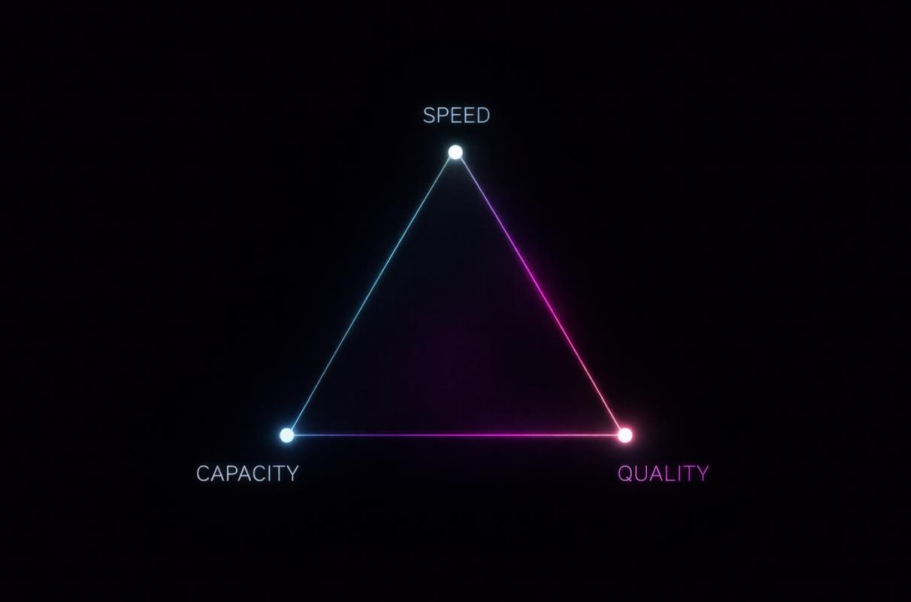
completion. - Speed vs Quality
Speed is necessary. Quality is non-negotiable. The balance comes from intention, not
heroic effort. The playbook breaks down the framework for structuring both without
sacrificing either, including where to make intentional tradeoffs. - Revisions & Collaboration
Healthy collaboration depends on clear ownership, defined feedback stages, and trust.
Learn the four-stage revision framework that maintains momentum without creating
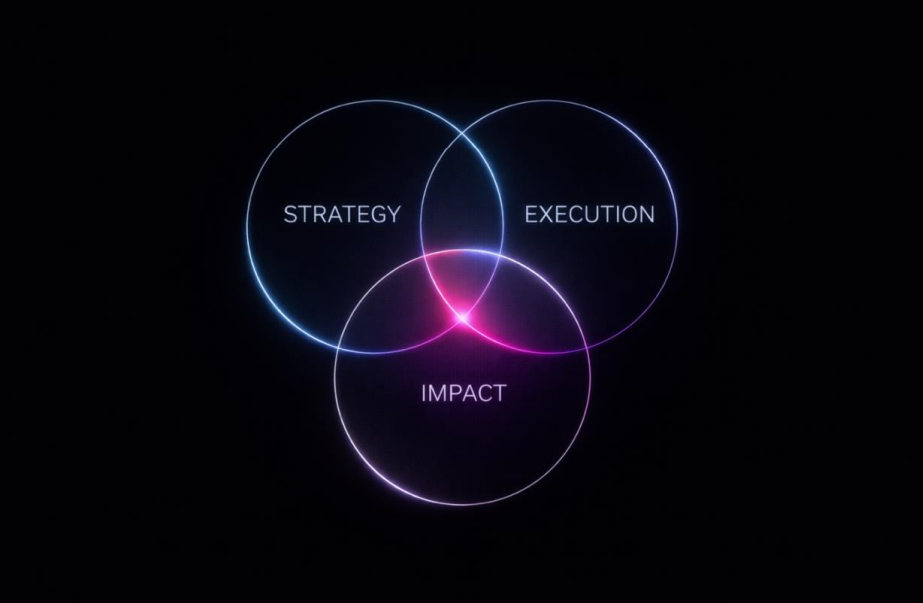
bottlenecks or endless feedback loops. - Strategy vs Execution
Execution alone limits impact. Strategy gives execution leverage. Discover the five strategic
questions to ask before every video to ensure each one ladders up to larger business goals
and creates compounding value. - Red Flags in Ongoing Video Partnerships
Vague promises, unlimited scope, and unclear success metrics are early warning signs.
Know what to look for before signing a contract or building internal capacity—the playbook
includes eight critical red flags that signal trouble ahead. - Scenario-Based Thinking
Volume without purpose creates noise. Strategy aligns volume, velocity, and impact. Learn
how to use scenario planning across five different business contexts—from product
launches to investor relations—to ensure every video serves a strategic purpose.
Who This Playbook Is For
CMOs and Marketing Leaders responsible for consistency and momentum over time. If
your business has moved faster than your story, this framework helps you close that gap
before it costs you momentum.
Founders who want clarity before delegating ongoing video to a partner or building internal
capacity. Understanding the strategic tradeoffs upfront prevents expensive course
corrections later.
Anyone who’s watched a video program start strong and then quietly stall. This playbook
explains why that happens—and how to prevent it.
Download The Complete Playbook
Get the full framework with detailed guidance, checklists, and strategic questions for each
of the eight areas. The complete playbook includes:
- Strategic decision frameworks for each chapter
- Red flag checklists for vetting partnerships
- Scenario-based planning templates
- Key questions to ask at each stage
- Comparison tables and visual frameworks
No spam. Just the playbook and occasional insights on video strategy that works.
Why I Built This
The pattern was too consistent to ignore.
Smart teams. Real budgets. Genuine effort. And yet, ongoing video programs would stall
after 3-6 months. Not because the creative wasn’t there. Not because the production
quality dropped. But because the strategic foundation—the decisions about ownership,
capacity, and operating reality—was never built in the first place.
This playbook is the conversation I wish more leadership teams had before they started. It’s
not about formats, platforms, or tactics. It’s about building a system that can actually
sustain momentum.
Because when you treat ongoing video as an operational decision rather than a creative
experiment, it stops being a content treadmill and starts building clarity, consistency, and strategic leverage.
Ready to talk about your ongoing video program? Visit bornsteinmedia.com/contact
See examples of our work: Visit bornsteinmedia.com/portfolio / You Tube: @richbornsteinofficial
Rich Bornstein is an Emmy-nominated producer and marketing strategist who works with
leadership teams at B2B technology and tech-enabled services companies when the
stakes are high and the story matters most. His approach starts with clarity, not cameras—
defining your why before your what, and aligning your team around it before bringing
strategy to life through video.