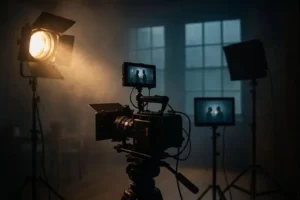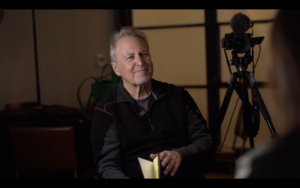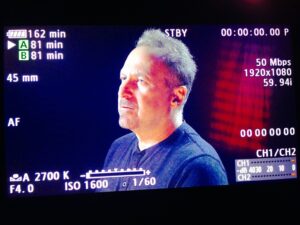
In 2013, I’m standing on Sugar Shane Mosley’s property in Big Bear, watching Canelo Alvarez train for the biggest fight of his career. We’re covering the Mayweather–Canelo buildup for a national outlet. I’ve got a DP, a sound person, and thousands of dollars of gear. Broadcast standards. Tight timelines. Real pressure.
Later that day, we’d drive to Vegas to interview Mayweather himself.
Standing next to me is a blogger interviewing Oscar De La Hoya—on her iPhone.
At some point, she asks what we’d charge for a shoot like this. I tell her: $2,500 for the day, maybe more depending on logistics. A fair rate for a three-person professional crew traveling between locations.
She nods.
I know instantly: she will never hire us or anyone like us.
At the time, I assumed she didn’t understand production value.
Looking back, I realize I didn’t understand hers.
#
That $2,500 covered a lot.
It covered coordination: getting three people and their gear to Big Bear, then to Vegas, capturing everything to broadcast specs, and delivering on deadline. We weren’t just pointing cameras. We were executing a synchronized operation across multiple locations with zero margin for error.
And then there were a few bloggers—solo operators with phones and laptops—posting content in real time while we were still packing gear.
That blogger wasn’t trying to be a cheaper version of traditional media.
She was building something entirely different.
She could shoot all day without worrying about gear logistics. She could post immediately. Her audience saw the content unfold. On Sugar Shane’s property, her phone was nearly invisible and intimate in a way my camera rig could never be.
Her economic model wasn’t “do what Rich does for less money.”
It was “do something Rich isn’t doing—and monetize it differently.”
#
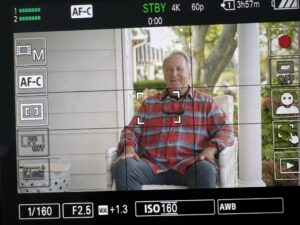
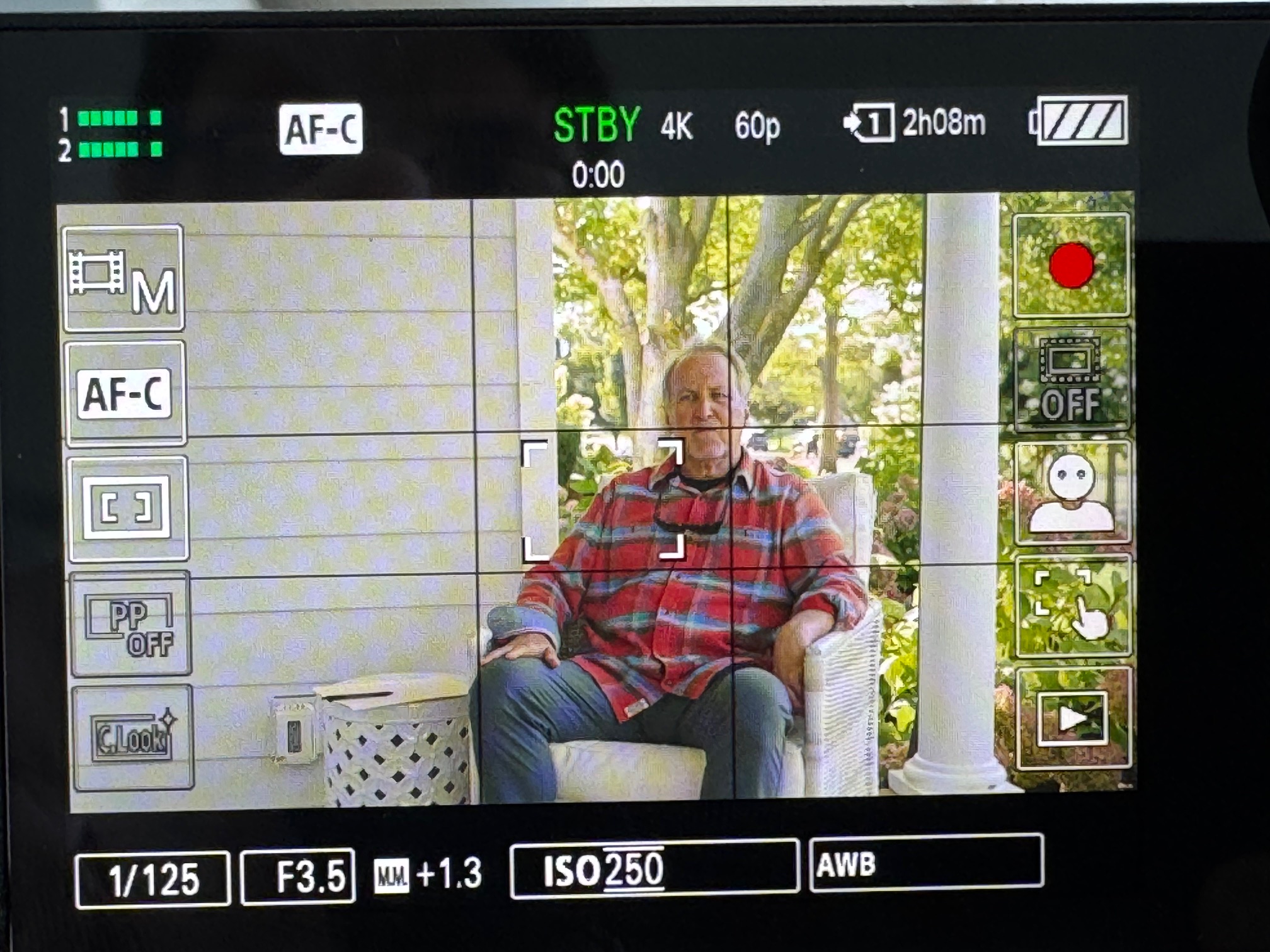
Last summer, I’m setting up an interview on the front porch of a house. It’s just me and my DP. One A camera, a static B-cam, a Lav mic. Bare bones.
The subject arrives—a senior executive at a global investment firm. In passing, he mentions he’s a frequent guest on major financial news networks.
My stomach drops.
He’s used to full crews. Multiple cameras. Lighting packages. Probably a makeup person.
We shoot.
After the first question, he shifts in his seat, and suddenly a pillar behind him seems to be growing out of his head. We adjust and reset. Thirty seconds.
Then we’re rolling again.
He’s relaxed. Gets animated on a couple of answers, even though we’re keeping him from a meeting. The minimal setup means we’re done in 20 minutes and ready to shoot B-roll.
Several days later, I deliver the edit. The person who hired me tells me the executive loved it.
#
Here’s what those twelve years taught me:
Audio still matters. Bad audio kills credibility faster than anything.
Storytelling matters more than gear.
Efficiency is a feature.
Context determines value.
Production values are a strategic choice, not a default setting.
I’ve come to think of this as context-first production—choosing production value based on the job the story needs to do, not the tools available.
The industry didn’t die. It fractured.
The question isn’t which model is better.
It’s which model serves the objective.
Sometimes the answer is a three-person crew.
Sometimes it’s a phone.
Increasingly, it’s the wisdom to know the difference.